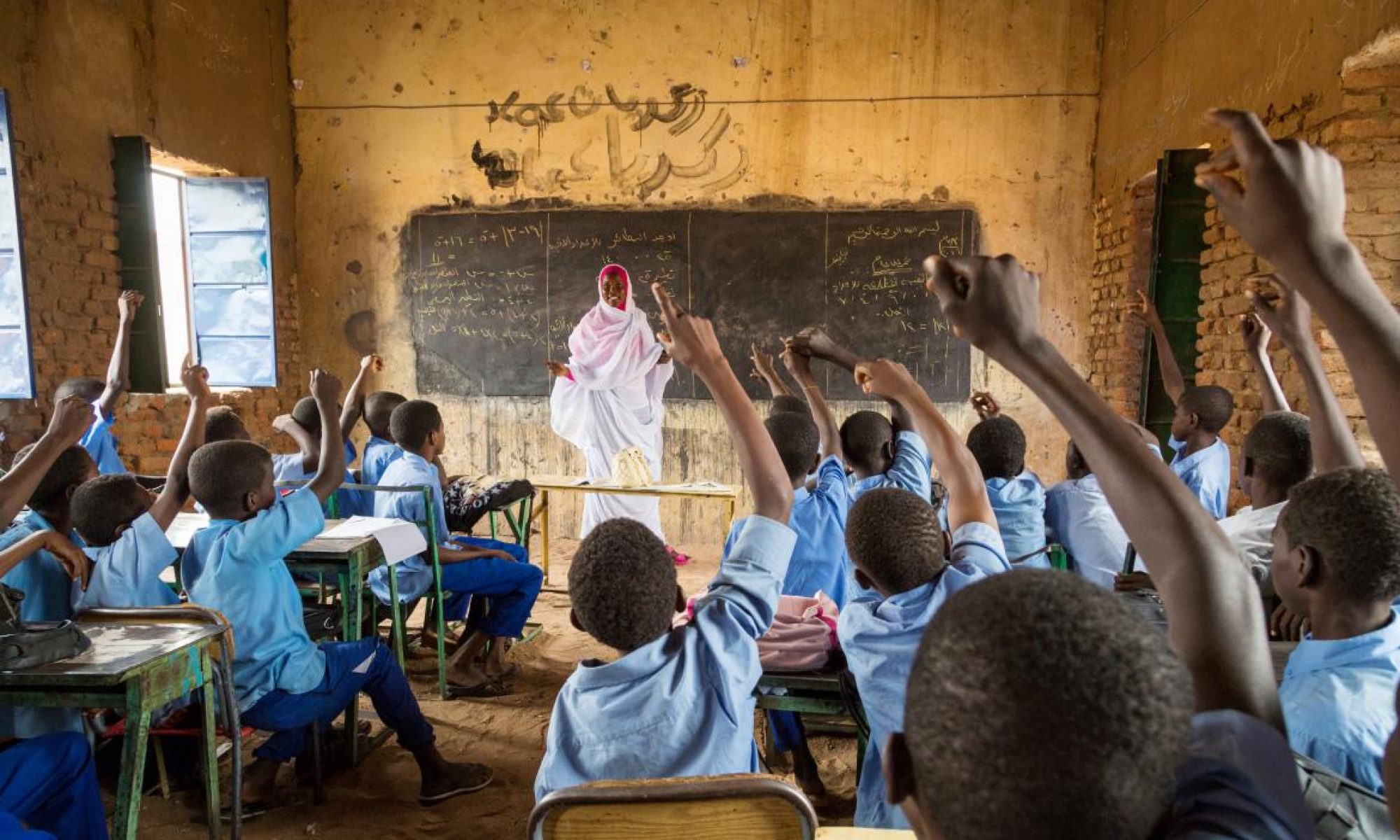

Sudan’s school system is structured into three stages: primary, secondary, and high school, overseen by the Ministry of Education with regional administration. Education is compulsory for ages 6–13 (covering primary and secondary levels), though enrollment and retention remain inconsistent due to poverty, rural-urban disparities, and sociopolitical instability. The system emphasizes Arabic language and Islamic values, reflecting Sudan’s cultural identity, but this often marginalizes non-Arabic-speaking communities. Public schools dominate but face chronic under funding, overcrowded classrooms, and teacher shortages. Private and international schools, concentrated in cities, offer higher-quality education but cater to affluent families. Recent reforms aim to modernize infrastructure and curricula, but progress is slow, with NGOs like UNICEF supporting marginalized regions.
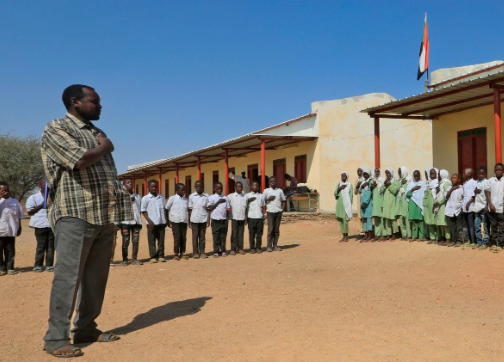
School Structure
- Primary School: Grades 1–6 (ages 6–11).
- Secondary School: Grades 7–9 (ages 12–14).
- High School: Grades 10–12 (ages 15–17), split into academic (science/arts) and vocational streams.
- Higher Education: Requires the Sudan School Certificate (SSC) earned after Grade 12 exams for university or technical college admission.
Key Features:
- Compulsory Education: Free and mandatory until Grade 9, but dropout rates spike in secondary school, particularly among rural girls.
- Madrasas: Religious schools combining Quranic education with formal curricula.
- Urban-Rural Divide: Urban schools (public/private) have better facilities; rural schools often lack electricity, textbooks, and trained teachers.
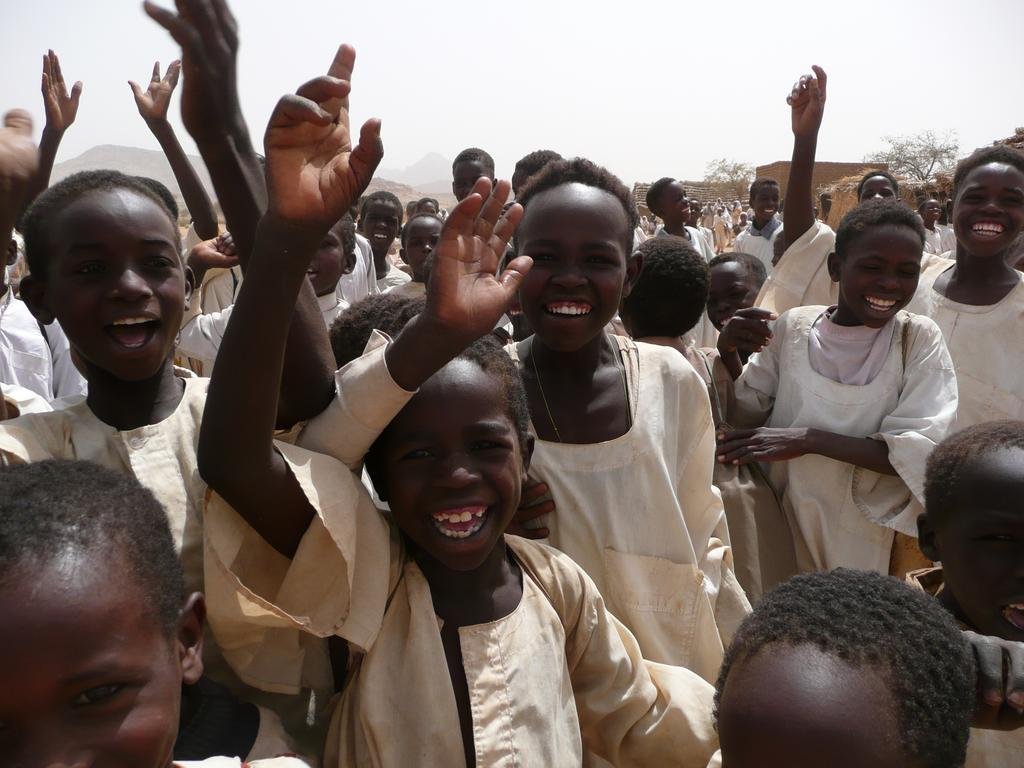
School Curriculum
The curriculum is centralized and standardized by the Ministry of Education, prioritizing Arabic literacy, Islamic teachings, and national identity.
Primary School (Grades 1–6):
- Core Subjects:
- Arabic Language (reading, writing, literature).
- Islamic Studies (Quranic recitation, ethics, history).
- Mathematics.
- Science (basics of biology, physics, chemistry).
- English (introduced in Grade 4).
- Social Studies (Sudanese history, geography, civics).
- Physical Education and Creative Arts.
- Teaching Methods: Relies on rote memorization due to large class sizes and limited resources.
Secondary School (Grades 7–9):
- Builds foundational knowledge with a focus on critical thinking and preparation for high school.
- Subjects: Arabic, English, Mathematics, Integrated Sciences, Social Studies, Islamic Education.
High School (Grades 10–12):
- Academic Stream:
- Science Track: Advanced Mathematics, Physics, Chemistry, Biology.
- Arts Track: Arabic Literature, History, Geography, Economics.
- Vocational Stream: Agriculture, Technical Skills, Home Economics.
- Electives: Computer Studies (limited availability), Foreign Languages (e.g., French).
Key Themes:
- Islamic Integration: Quranic studies and moral education across all levels.
- National Identity: Emphasis on Sudan’s Arab-Islamic heritage and unity.
- Gender Roles: Vocational tracks often reinforce traditional roles (e.g., home economics for girls).
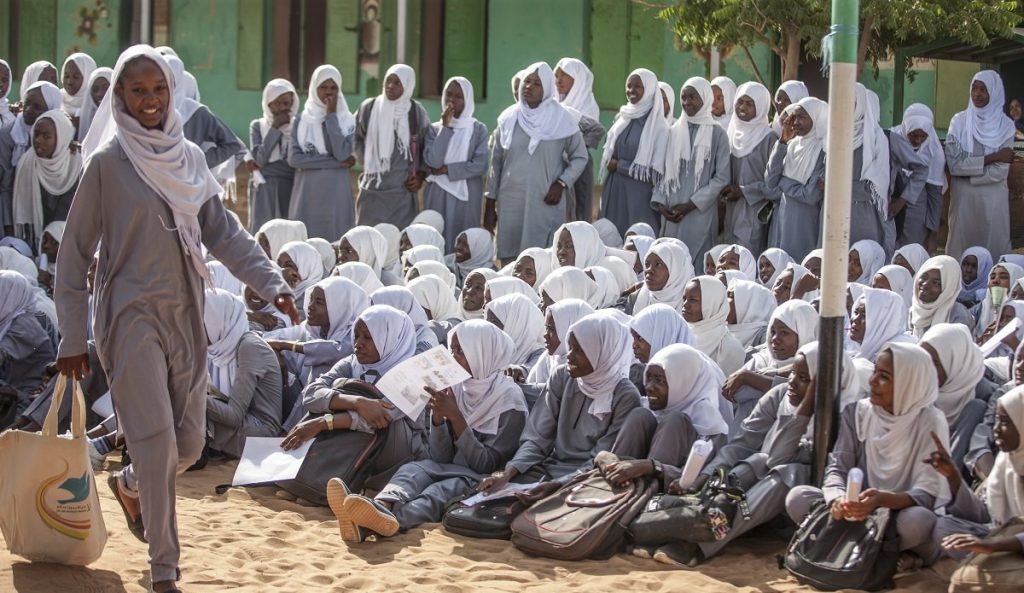
Assessment and Examination
- Primary & Secondary School:
- Continuous Assessment: Regular quizzes, oral exams, homework, and project-based evaluations.
- High School:
- Grade 12 National Exams: The Sudan School Certificate (SSC), a high-stakes exam determining university eligibility.
- Challenges:
- Exam leaks, inconsistent grading, and rural students’ under performance due to resource gaps.
- Pressure on Grade 12 students to perform well for university admission.
Key Points to Note
- Language Barrier: Arabic is the sole medium of instruction, disadvantaging non-Arabic speakers (e.g., in Darfur, Blue Nile).
- Gender Disparities: Cultural norms and early marriages disproportionately limit girls’ access to high school.
- Conflict Impact: Schools in conflict zones (e.g., Darfur) face closures, displacement, and safety risks.
- Teacher Shortages: Under qualified staff, especially in rural areas, undermine education quality.
- Curriculum Rigidity: Overemphasis on memorization stifles creativity and critical thinking.
- Economic Pressures: Poverty drives child labor, reducing secondary and high school attendance.
- Reform Efforts: Post-2011 initiatives aim to decentralize education and integrate technology, but implementation remains slow.
Sudan’s school system (primary: Grades 1–6; secondary: Grades 7–9; high school: Grades 10–12) prioritizes Arabic-Islamic identity and foundational literacy but struggles with systemic inequities, outdated pedagogues, and sociopolitical challenges. Addressing resource gaps, modernizing teaching methods, and fostering inclusivity for marginalized groups are critical to achieving equitable, quality education nationwide.