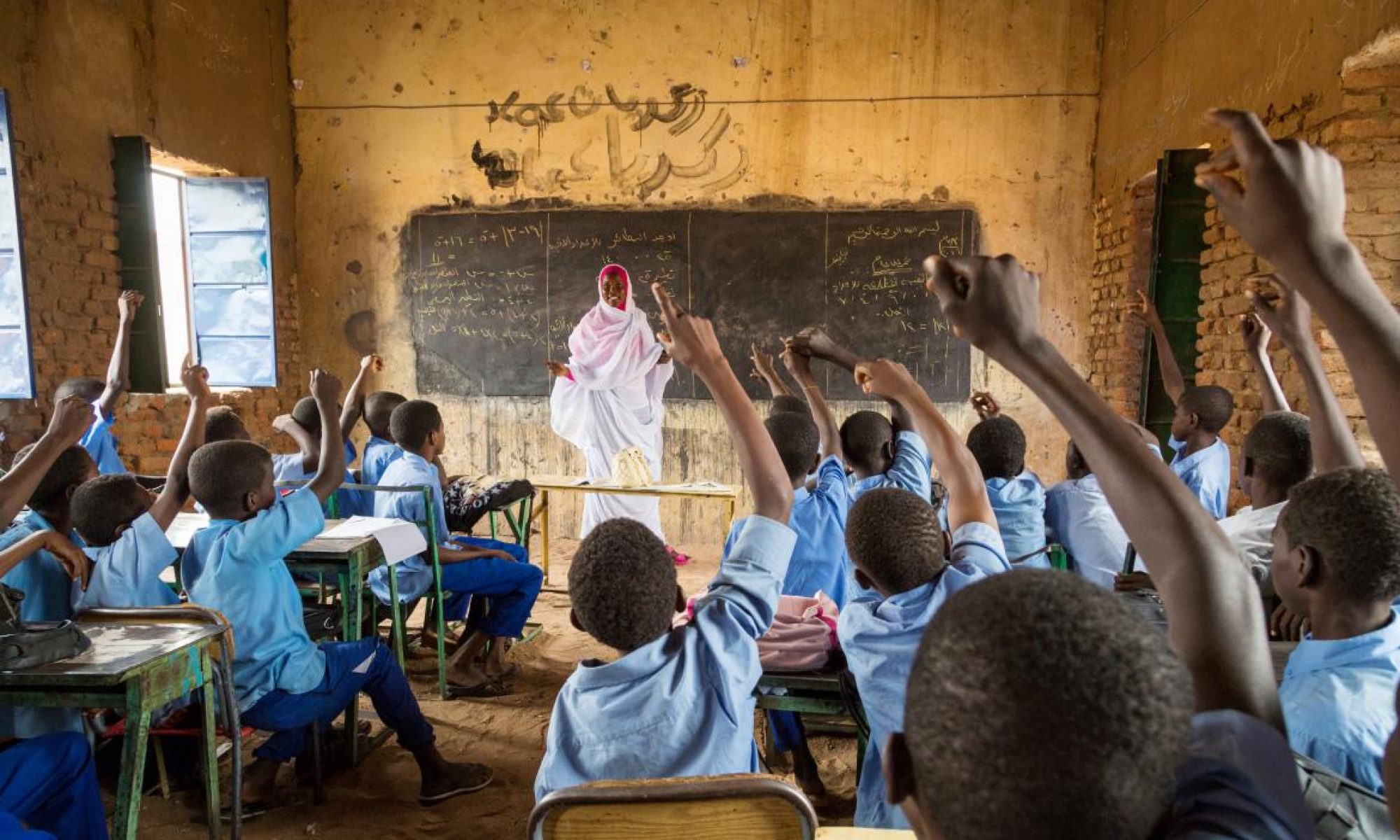

Kindergarten in Sudan is the final stage of preschool education, catering to children aged 5–6 years. It serves as a critical bridge to primary school, emphasizing school readiness through foundational literacy, numeracy, and socialization. While not compulsory, kindergarten enrollment is higher in urban areas, where private institutions dominate. Public kindergartens exist but are often under-resourced, especially in rural and conflict-affected regions. The Ministry of Education oversees curriculum guidelines, but implementation varies widely. Islamic values and Arabic language proficiency are central to the system, reflecting Sudan’s cultural and religious context.
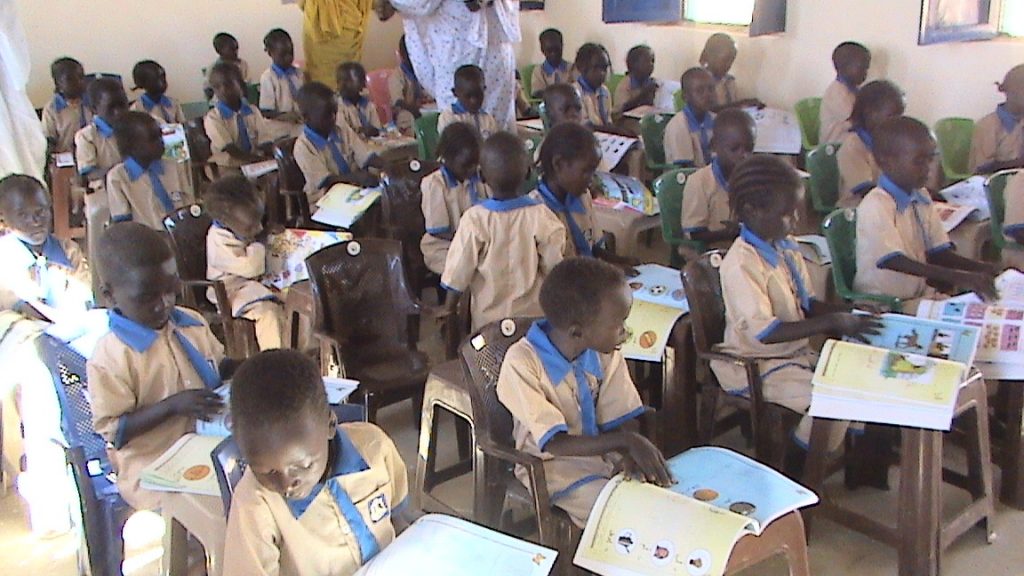
Kindergarten Structure
- Age Group: 5–6 years (per-primary year before Grade 1).
- Duration: 1–2 years, depending on the institution.
- Types of Kindergartens:
- Public: Government-run, often free or low-cost but limited in availability and quality.
- Private: Fee-based, better facilities, and more structured programs.
- Community/Religious: Locally organized, sometimes integrated with Quranic teachings (e.g., basic Arabic literacy through Quran recitation).
- Access: Disproportionate enrollment in urban areas; rural access is limited to informal setups or non-existent.
Kindergarten Curriculum
The curriculum focuses on preparing children for primary school while nurturing cognitive, social, and emotional skills. Key components include:
| Language and Literacy | Arabic: Primary medium of instruction; emphasis on letter recognition, basic reading, and writing. English: Introduced in some private kindergartens as a second language. |
| Mathematics | Counting (1–20), number recognition, basic addition/subtraction, shapes, and measurements. |
| Islamic Education | Moral teachings, Quranic stories, Arabic prayers, and memorization of short Quranic verses (Surahs). |
| Science and Environmental Awareness | Simple concepts like seasons, plants, animals, and hygiene practices. |
| Creative Arts | Drawing, coloring, storytelling, and traditional Sudanese music/dance. |
| Physical Development | Outdoor play, motor skills activities (e.g., running, drawing, cutting). |
| Social Skills | Group activities, sharing, and cooperation to foster teamwork and communication. |
Teaching Methods
- A mix of play-based learning and structured instruction.
- Public schools may rely more on rote learning due to limited resources, while private kindergartens often use interactive methods (e.g., games, visual aids).
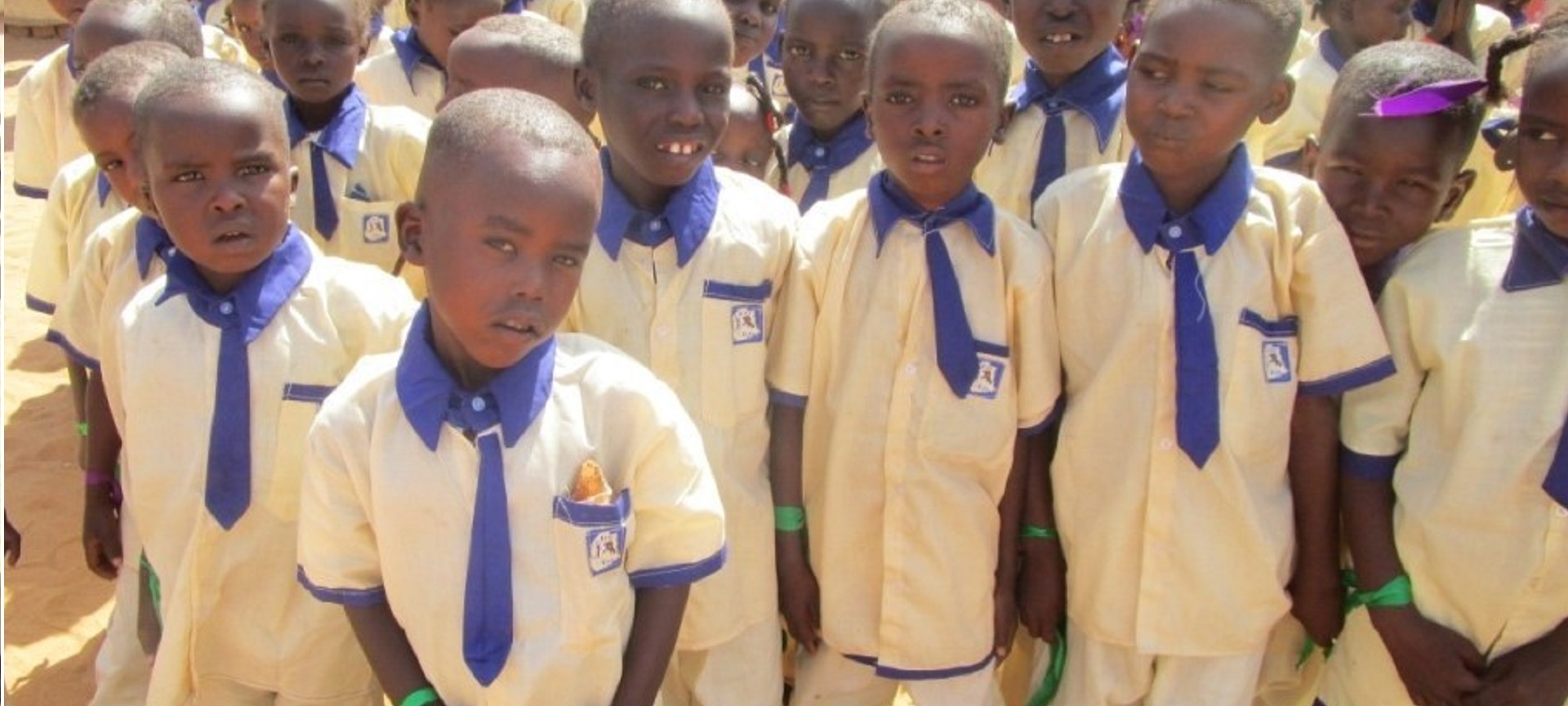
Assessment and Examination
- No formal exams: assessment is continuous and informal.
- Methods:
- Teacher observations of participation, behavior, and skill development.
- Portfolio assessments (e.g., collected artwork, writing samples).
- Checklists tracking milestones in literacy, numeracy, and social skills.
- Parent Involvement: Regular feedback sessions to discuss progress and readiness for primary school.
Key Points to Note
- Language Barrier: Arabic is the primary medium, disadvantaging non-Arabic speakers (e.g., children from minority ethnic groups).
- Religious Influence: Islamic teachings are deeply embedded, even in secular institutions.
- Urban-Rural Divide: Private kindergartens in cities offer higher-quality education; rural areas lack infrastructure and trained teachers.
- Teacher Training: Many kindergarten teachers in public schools lack specialized early childhood education training.
- Transition Challenges: Sudden shift to formal primary education (Grade 1) can be jarring due to rigid curricula and large class sizes.
- NGO Support: Organizations like UNICEF and local NGOs supplement government efforts in conflict zones and undeserved regions.
- Policy Gaps: Weak enforcement of national standards and insufficient funding hinder equitable access and quality.
Sudan’s kindergarten curriculum prioritizes school readiness and cultural values but faces systemic challenges in quality and accessibility. Strengthening teacher training, standardizing resources, and addressing linguistic disparities are crucial for ensuring equitable early childhood development.