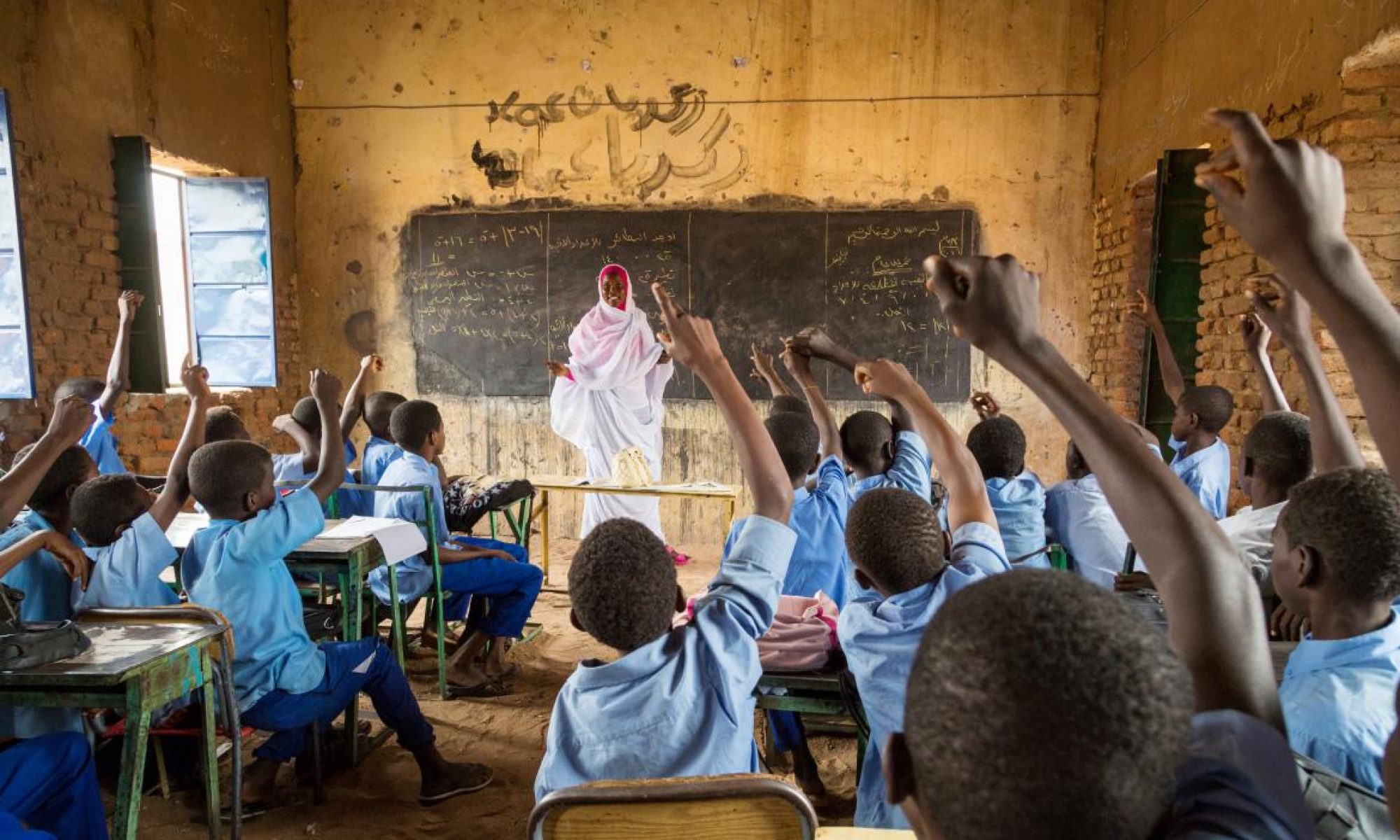

Nursery education in Sudan serves children aged 3–4 years and represents the initial stage of preschool education. It is optional, non-compulsory, and primarily available in urban areas through private institutions, community centers, or religious schools. Public nurseries exist but are scarce, underfunded, and concentrated in cities. The system emphasizes play-based learning, socialization, and foundational skill development. Sudan’s socioeconomic challenges, including poverty and regional disparities, limit access to quality nursery education, particularly in rural and conflict-affected regions. The Ministry of Education provides loose guidelines, but implementation varies, with private nurseries often offering more structured programs.
Nursery Structure
- Age Group: 3–4 years (preceding kindergarten, which starts at age 5).
- Duration: 1–2 years, depending on the institution.
- Types of Nurseries:
- Private Nurseries: Fee-based, better-resourced, and often affiliated with primary schools.
- Public Nurseries: Government-run but limited in number and quality.
- Community/Religious Nurseries: Locally organized, sometimes incorporating Quranic teachings (e.g., basic Arabic through storytelling).
- Access: Urban-focused; rural areas rely on informal setups or lack services entirely.
Nursery Curriculum
The curriculum prioritizes holistic development through play, interaction, and exploration. Key components include:
| Language Development | Arabic: Introduction to basic vocabulary, songs, and stories. Oral Skills: Emphasis on listening, speaking, and simple conversations. |
| Cognitive Skills | Numeracy: Counting (1–10), recognizing shapes, sorting objects. Problem-Solving: Puzzles, matching games, and simple pattern recognition. |
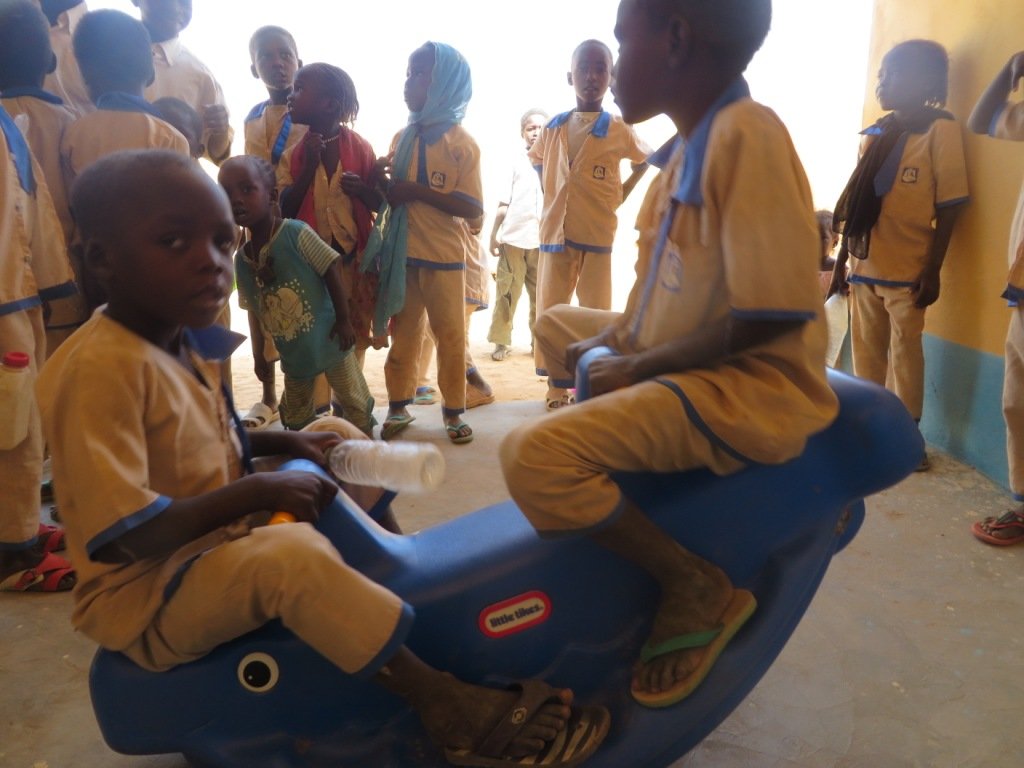
| Social and Emotional Learning | Sharing, cooperation, and emotional expression through group activities. Role-playing to develop empathy and communication. |
| Islamic Values | Moral stories, Arabic prayers, and cultural traditions (e.g., Islamic holidays). |
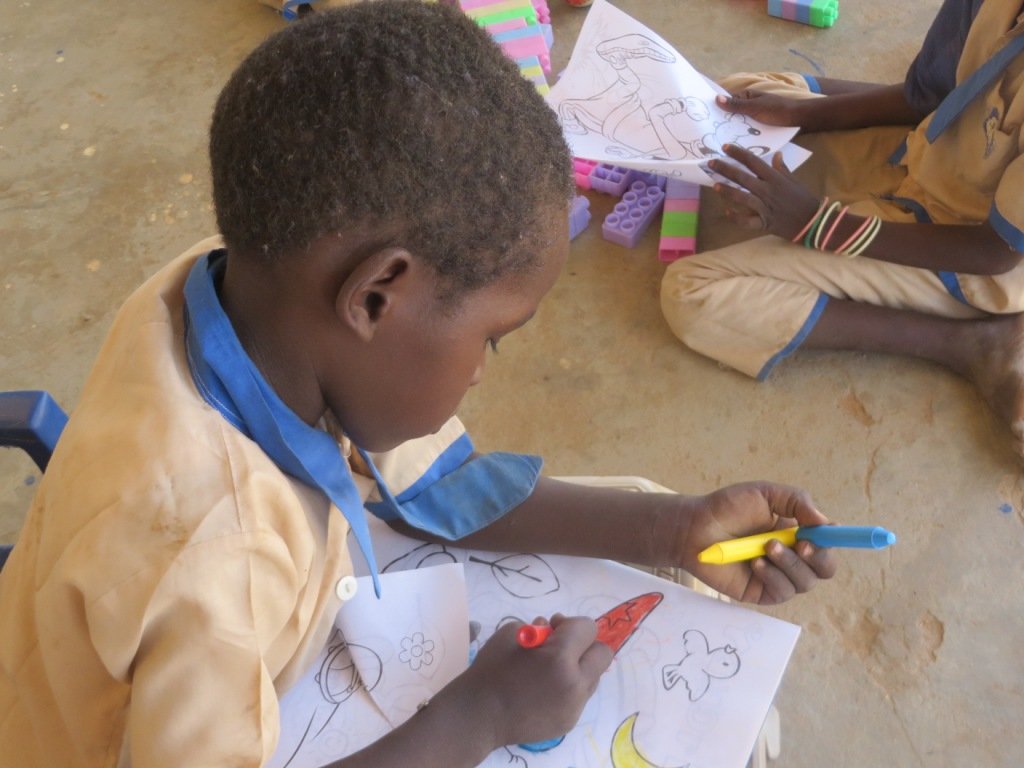
| Creative Arts | Drawing, coloring, clay modelling, and traditional Sudanese music/dance. |
| Physical Development | Gross motor skills (running, jumping) and fine motor skills (holding pencils, cutting with safety scissors). |
| Environmental Awareness | Basic hygiene practices (handwashing) and nature exploration (plants, animals). |
Teaching Methods
- Play-based and child-cantered approaches dominate in private nurseries.
- Public/community nurseries may use more rote methods due to limited resources.
Assessment and Examination
- No formal assessments; progress is monitored informally.
- Methods:
- Teacher observations of participation, behavior, and skill acquisition.
- Developmental checklists (e.g., language milestones, motor skills).
- Parent-teacher meetings to discuss social and cognitive growth.
- Goal: Ensure children are emotionally and socially prepared for kindergarten.
Key Points to Note
- Urban Bias: Most nurseries are private and urban-based, excluding rural populations.
- Cultural Context: Islamic teachings and Arabic language are central, even in secular nurseries.
- Resource Gaps: Public nurseries lack trained staff, materials, and safe facilities.
- Teacher Training: Many nursery teachers lack formal early childhood education qualifications.
- Transition to Kindergarten: Focus on readiness for more structured learning (e.g., basic literacy/numeracy).
- Role of NGOs: Organizations like UNICEF and local groups support nurseries in undeserved areas.
- Policy Limitations: Weak enforcement of standards and minimal government investment hinder quality.
Sudan’s nursery curriculum lays the groundwork for lifelong learning through play and socialization but faces systemic inequities. Bridging urban-rural gaps, improving teacher training, and integrating culturally relevant content are essential to strengthening early childhood education.