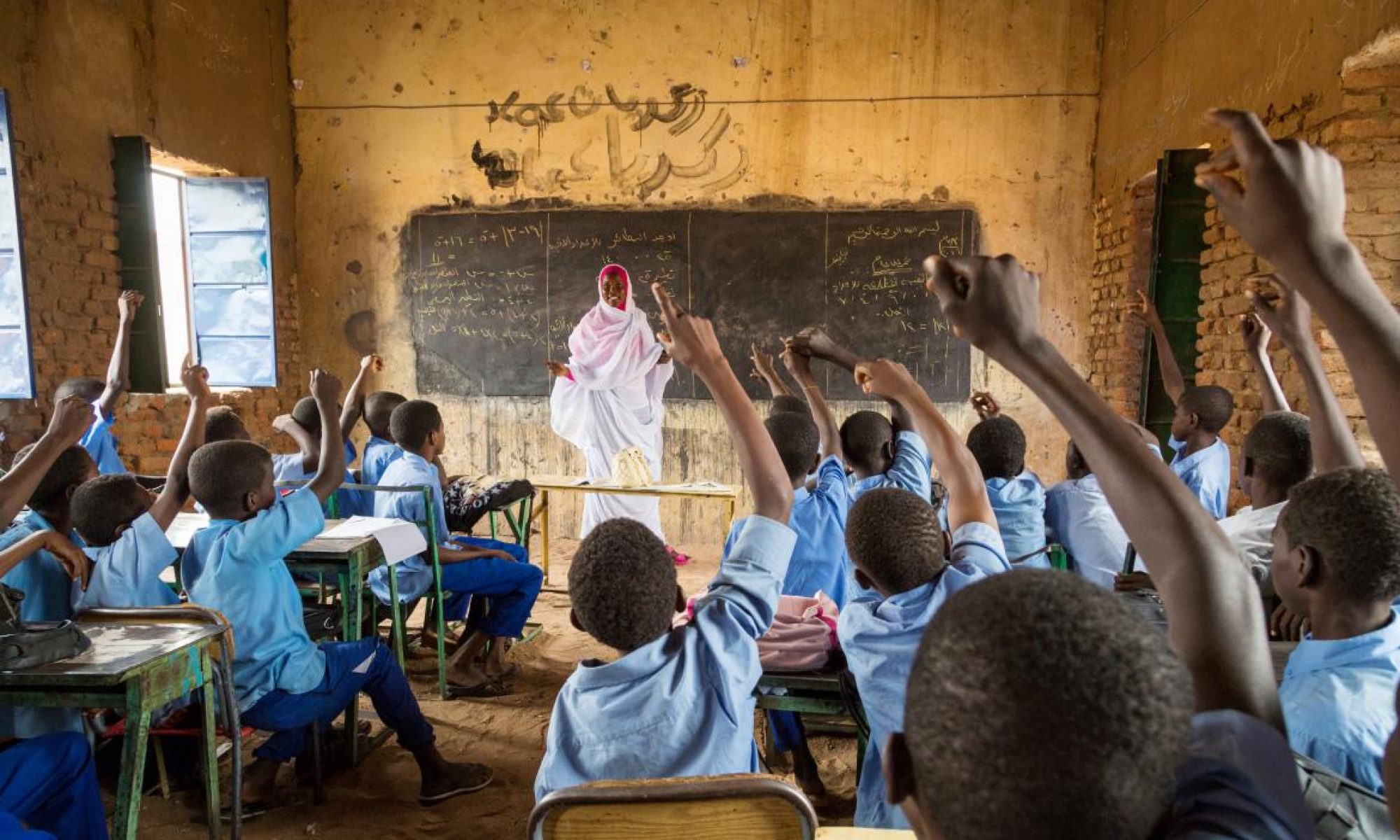

Vocational training has become an essential tool for economic and social resilience in Darfur. In regions scarred by conflict and instability, developing practical skills not only creates livelihood opportunities but also helps in the long-term reconstruction of communities. Driven by the need to counter unemployment and provide hope to displaced and vulnerable populations, many local, regional, and international organizations have established training centers that cater to the diverse needs of the local workforce.
Background and Context
The prolonged conflict in Darfur disrupted traditional education and employment systems, leading to widespread unemployment and skill gaps. As communities began the slow process of rebuilding, vocational training emerged as a critical component of recovery. Programs in Darfur are particularly focused on offering skills that are immediately marketable in local economies and on fostering community cohesion. Numerous centers have been established with international support to address these pressing needs. These initiatives not only equip youth and adults with technical skills but also restore self-reliance and nurture confidence among those affected by years of instability.
Key Vocational Training Initiatives and Centers
GIZ Darfur Vocational Training Centers
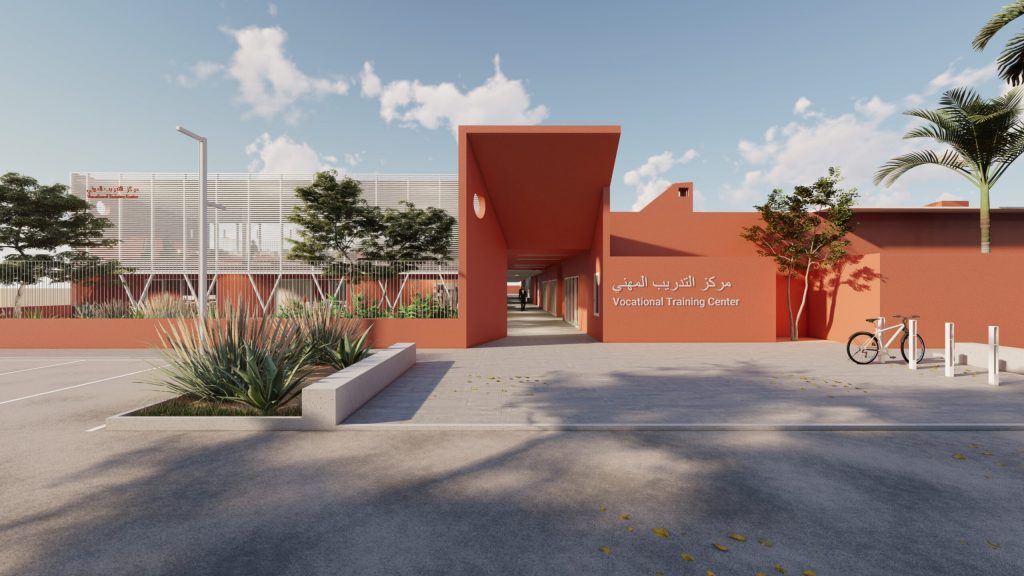
Implemented in partnership with local stakeholders, the GIZ-supported vocational training centers in Darfur (located in areas such as El Jeneina and El Fasher) are designed with accessible facilities, including modern classrooms, IT labs, and multiple workshops. These centers emphasize a practical, modular approach, making use of local materials and sustainable construction practices. They offer training in several technical fields, which helps provide a solid foundation for economic recovery and empowers marginalized communities.
UNAMID’s Community-Based Initiatives
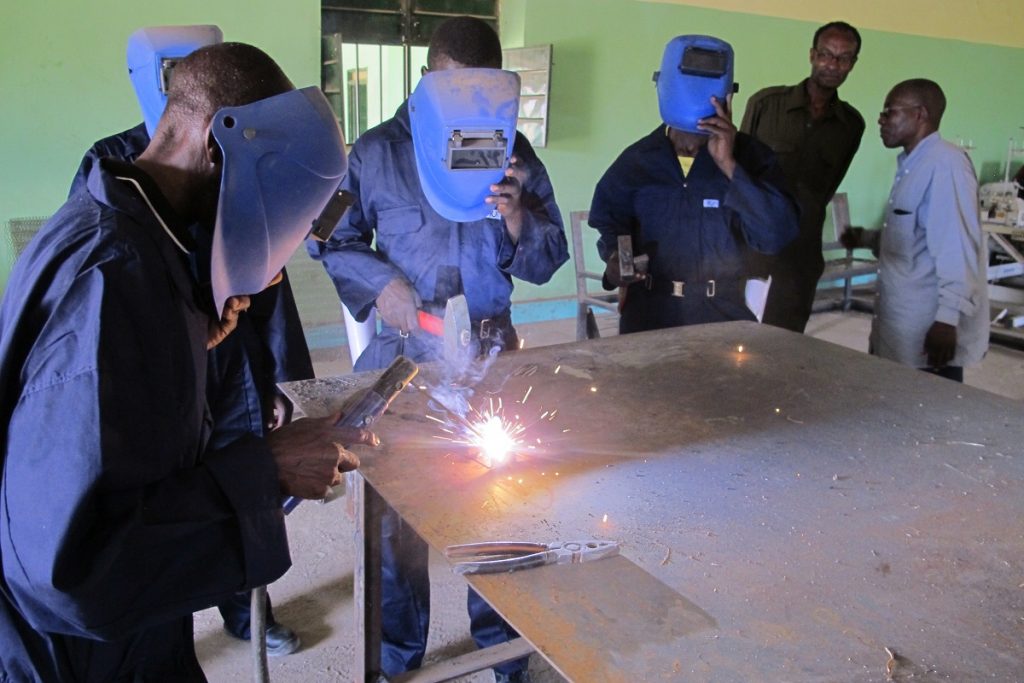
The African Union–United Nations Hybrid Operation in Darfur (UNAMID) has been instrumental in training over 1,000 Darfuri youth through its Community-based Labour Intensive Projects (CLIPs). These initiatives focus on a wide range of technical skills—from welding and metalwork to auto-repair and generator maintenance. Additional courses such as sewing, nutrition, and even midwifery have been offered to meet diverse community needs. The projects go beyond skill acquisition and include on-the-job training that directly supports local construction and infrastructural projects, fostering both individual growth and community development .
IOM-Sponsored Programs
In North Darfur, the International Organization for Migration (IOM) has launched vocational programs aimed at equipping both young men and women with skills specific to local economic demands. For example, a 5-week program offered at technical schools in El Fasher provided training in:
- For young men: Plumbing, welding, construction, and auto-mechanics.
- For young women: Tailoring, handicrafts, food processing, and computer skills.
The IOM initiative also includes the provision of start-up kits, enabling graduates to immediately apply their newly acquired skills to generate sustainable income. These tailored programs are designed to ensure that even the most vulnerable populations can become active contributors to local economies
List of Vocational Training Courses Offered
Below is a table summarizing the various vocational training courses offered at local centers in Darfur and other parts of Sudan:
| Auto Mechanics & Repair | Courses covering auto repair, diagnostics, and car mechanics. Offered as part of UNAMID initiatives targeting youth from conflict-affected areas. |
| Welding & Metalwork | Training in welding, metal shaping, and fabrication techniques essential for construction and repair work. Available at both UNAMID and IOM-sponsored centers. |
| Plumbing | Basic and advanced plumbing courses, imparting skills needed in local maintenance and construction projects. Part of IOM training initiatives. |
| Construction Skills | Courses in construction techniques, including lessons in civil engineering and the production of cost-effective, soil-stabilized bricks. Offered within several UNAMID projects . |
| Electrical & Generator Services | Training in electrical installations and maintenance, including generator repair—skills highly demanded in areas with unreliable grid infrastructure. Offered under UNAMID programs . |
| Computer Literacy & IT Skills | Courses to improve computer literacy, basic programming, and IT operations, found in centers like the GIZ vocational training centers and UNAMID initiatives. |
| Tailoring & Handicrafts | Practical training in tailoring, garment construction, and traditional handicraft production, especially focused on empowering young women (e.g., IOM programs) . |
| Food Processing & Nutrition | Courses designed around food safety, processing techniques, and nutritional awareness to improve local food production and public health standards. Offered by UNAMID projects . |
| Midwifery and Healthcare Skills | Specialized training programs aimed at young unemployed women, providing essential skills in midwifery and healthcare to support community wellbeing . |
Additional courses may also cover areas such as agriculture, business management, and advanced technical skills, depending on local demands and evolving market needs.
Impact, Challenges, and Future Perspectives
Impact on Local Communities
The vocational training programs in Darfur have had a significant impact in terms of:
- Economic Empowerment: Providing marketable skills that improve employability and enable graduates to start small businesses or access better job opportunities.
- Social Cohesion: Engaging youth and marginalized groups in constructive activities that reduce vulnerability to violence and contribute to community rebuilding.
- Generation of Local Expertise: Establishing a skilled workforce that can participate in local infrastructure development and support post-conflict recovery efforts.
Challenges
Despite the positive outcomes, several challenges remain:
- Infrastructure and Funding: Many centers still suffer from insufficient infrastructure and intermittent funding.
- Access and Sustainability: Reaching remote communities, ensuring consistent attendance, and maintaining modern training facilities continue to be difficult.
- Human Resources: There is an ongoing need for skilled trainers and updated curricula that match the rapidly changing job market.
Future Perspectives
Continued support from international organizations, local governments, and non-governmental groups is vital. Future efforts should focus on:
- Expanding partnerships for long-term funding,
- Integrating digital technology to reach remote learners,
- Continually updating training programs to align with market demands, and
- Monitoring outcomes to ensure that vocational training contributes effectively to economic recovery.
Vocational training in Darfur is more than a temporary measure—it is a transformative initiative that lays the foundation for long-term economic recovery and social stability. By equipping youth and other vulnerable groups with practical, market-driven skills, these programs offer a pathway toward self-reliance. They also help rebuild community cohesion by fostering local expertise and reducing the risks of future conflicts in war-affected regions. As Darfur continues to navigate its post-conflict reality, sustained investment in vocational training will remain pivotal for a resilient and prosperous future.