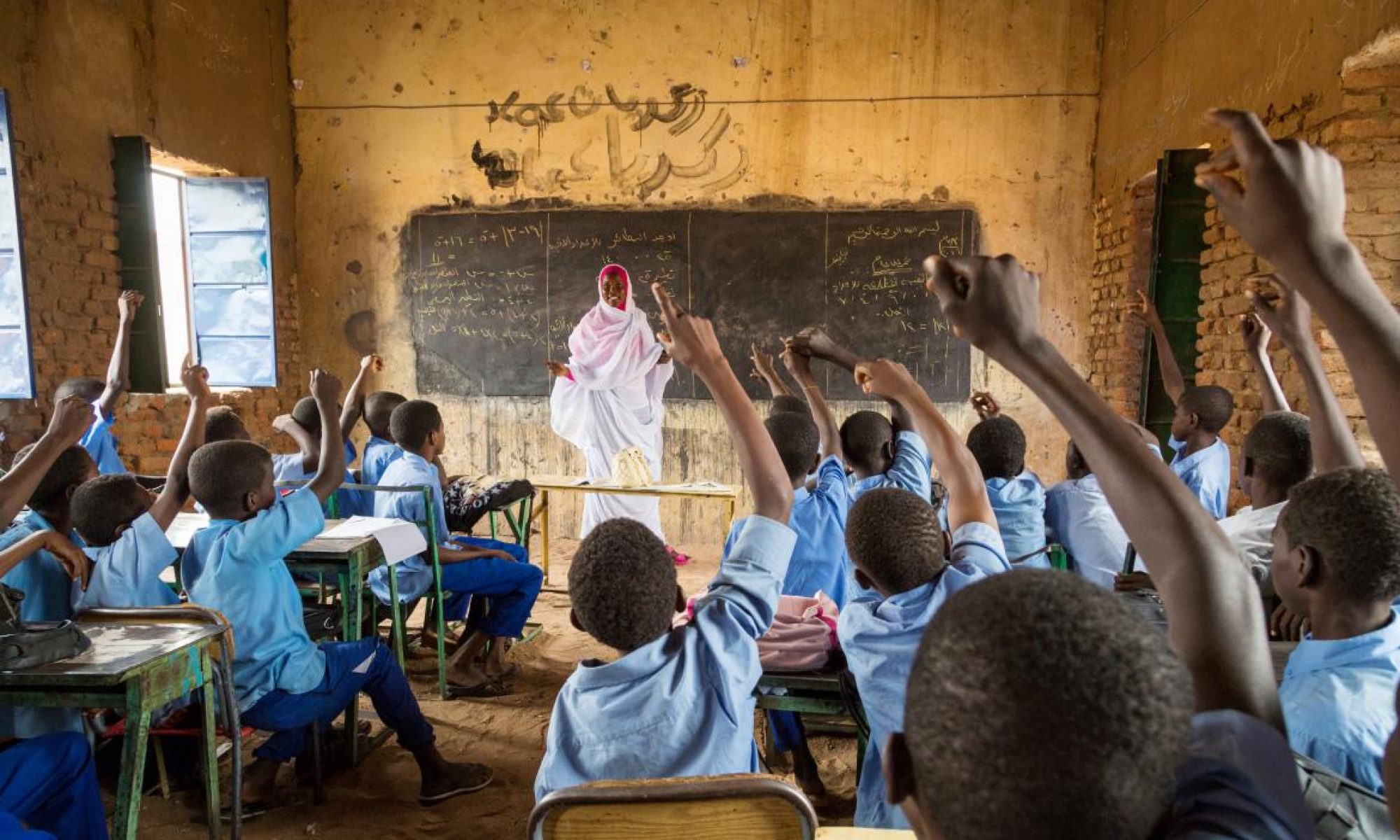
Preschool education in Sudan caters to children aged 3–6 years and is not compulsory. It serves as a foundation for primary education, focusing on holistic development. The system faces challenges due to socioeconomic disparities, political instability, and limited infrastructure, particularly in rural areas. Preschools are managed by both public institutions and private entities, with private centers often offering higher-quality resources. The Ministry of Education and local communities play roles in oversight, though enforcement of standards is inconsistent. Post-2011 (after South Sudan’s independence), efforts to reform early childhood education have been gradual, with NGOs and international agencies occasionally supplementing government initiatives.
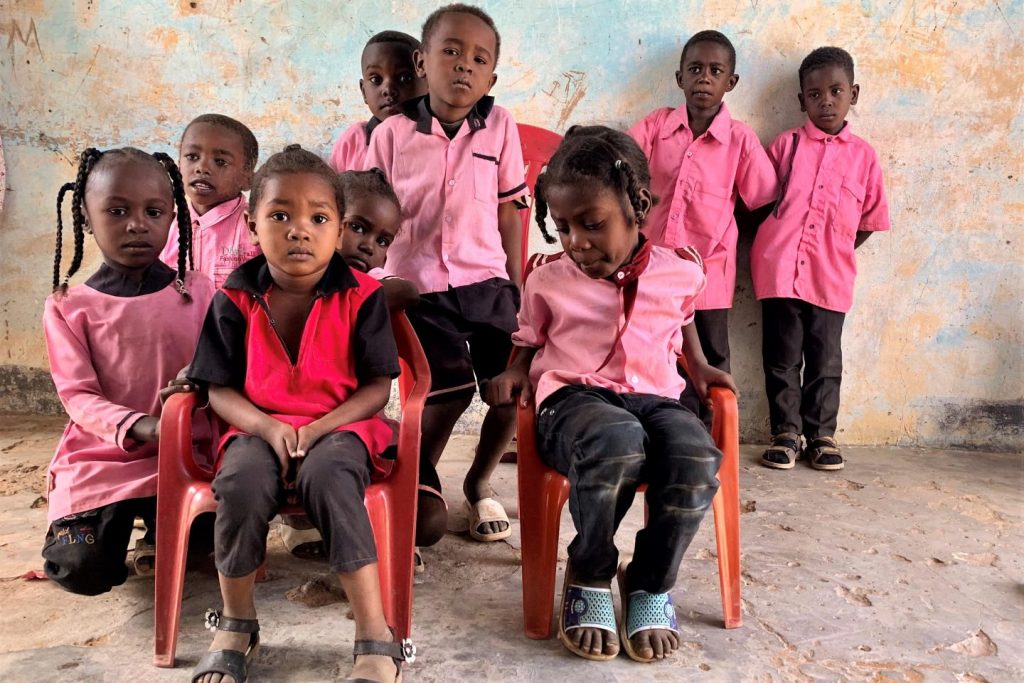
Preschool Education Structure
- Age Groups: Typically divided into two stages:
- Nursery: Ages 3–4 (focus on play and social skills).
- Kindergarten: Ages 5–6 (preparation for primary school with basic literacy/numeracy).
- Duration: 2–3 years, varying by region and institution.
- Types of Preschools:
- Public: Government-run, often under-resourced.
- Private: Fee-based, better facilities.
- Community/Religious: Locally organized, sometimes integrated with Quranic teachings (e.g., Khalwa schools).
- Access: Urban areas have higher enrollment rates; rural regions rely on informal or community-based setups.
Preschool Curriculum
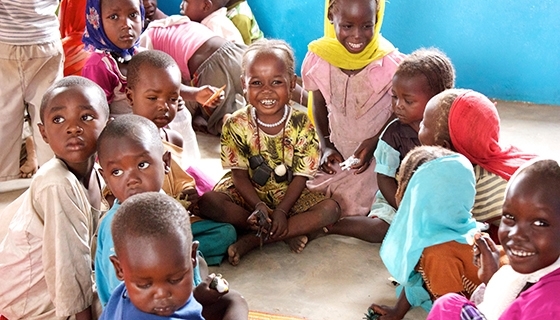
The curriculum emphasizes cognitive, social, physical, and emotional development, with cultural and religious influences:
- Core Components:
| Language | Arabic (primary medium), introductory English. |
| Mathematics | Counting, shapes, and basic arithmetic. |
| Islamic Education | Moral values, Quranic stories, and Arabic prayers. |
| Science/Environment | Nature exploration and hygiene practices. |
| Creative Arts | Drawing, music, and storytelling. |
| Physical Development | Play-based motor skills activities. |
- Teaching Methods: Blends traditional instruction (e.g., rote learning) and child-cantered activities (e.g., group play). Resource limitations often hinder interactive learning in public schools.
Assessment and Examination
- No formal exams: progress is tracked through continuous, informal evaluation.
- Tools: Teacher observations, developmental checklists, and portfolios.
- Parental Feedback: Regular updates on children’s social, emotional, and academic readiness for primary school.
Key Points to Note
- Disparities: Urban-rural gaps in access and quality; private preschools dominate in cities.
- Cultural Context: Islamic values deeply influence curriculum content.
- Teacher Training: Insufficient in public sectors; impacts educational quality.
- NGO Role: Critical in filling gaps, especially in conflict-affected regions.
- Policy Challenges: Lack of standardized curriculum enforcement and funding constraints.
- Transition: Focus on preparing children for Arabic-heavy primary education, which may disadvantage non-Arabic speakers.