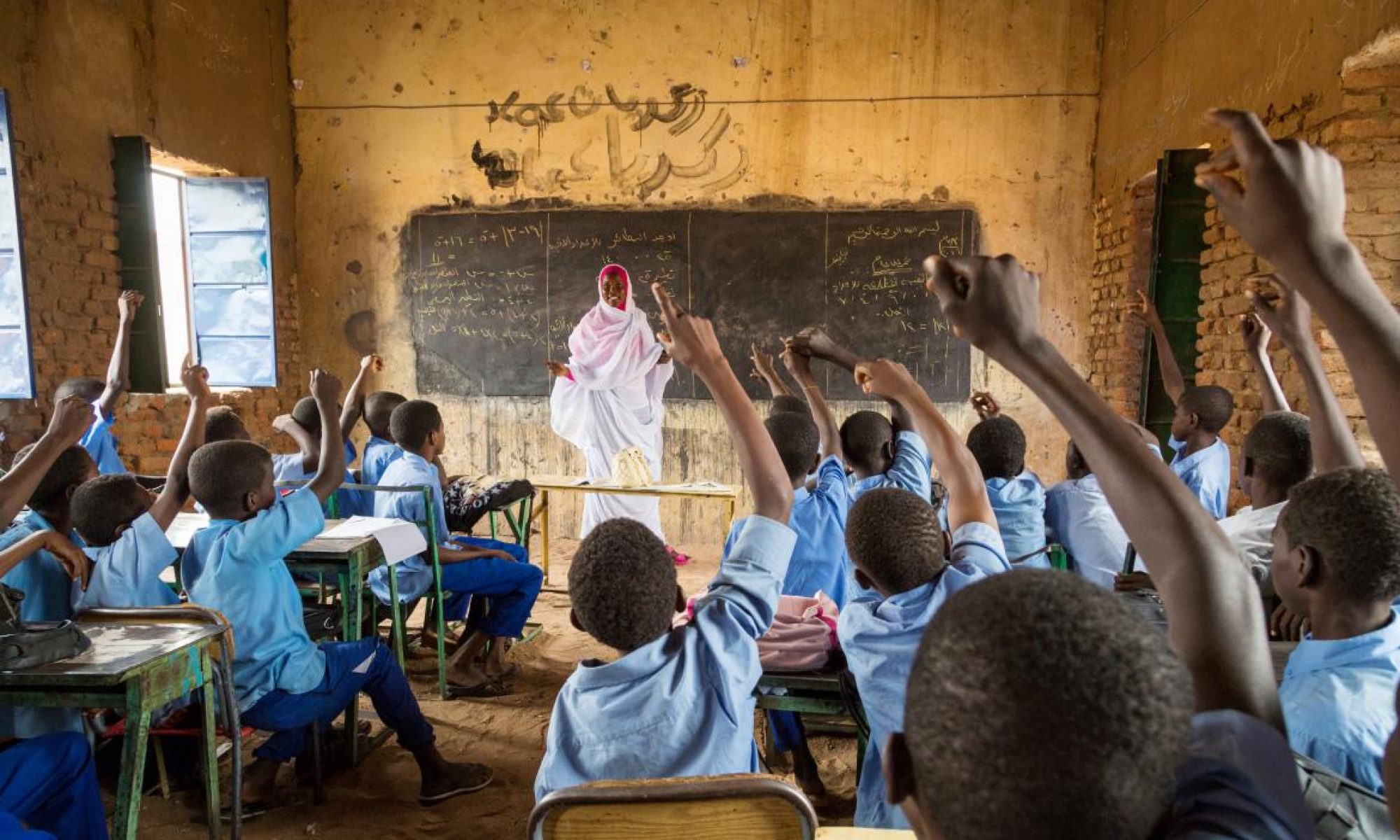

Welcome to the Libraries section of the Darfur 2030 Education Platform. At Volunteers for Development Organization (VDO), we know that libraries—whether physical or digital—are gateways to knowledge, imagination, and growth. This page offers resources and information to help everyone in Darfur embrace literacy and lifelong learning, no matter where they are.
Public Libraries
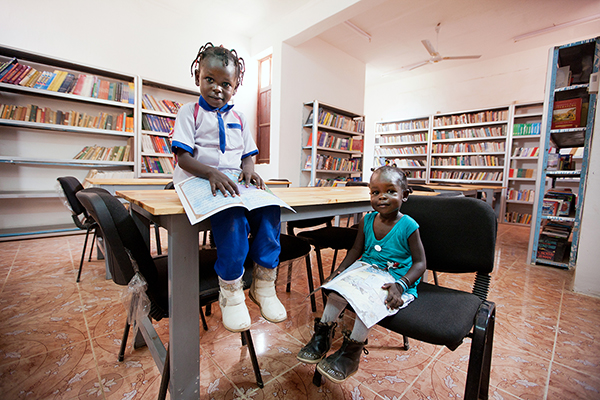
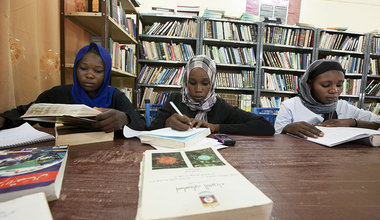
Darfur, a region in western Sudan, has long been a place where cultures, histories, and diverse communities converge. However, the prolonged conflict that erupted in 2003 has left its mark on nearly every facet of life in the region. Among the casualties of this instability has been the cultural and educational infrastructure, including public libraries. These institutions, once pillars of community learning and cultural preservation, now symbolize hope and regeneration as they strive to reclaim their original roles. Public libraries in Darfur are emerging as beacons of resilience by helping citizens access education, foster dialogue, and re-establish social cohesion in a post-conflict society
Historical Context and Decline
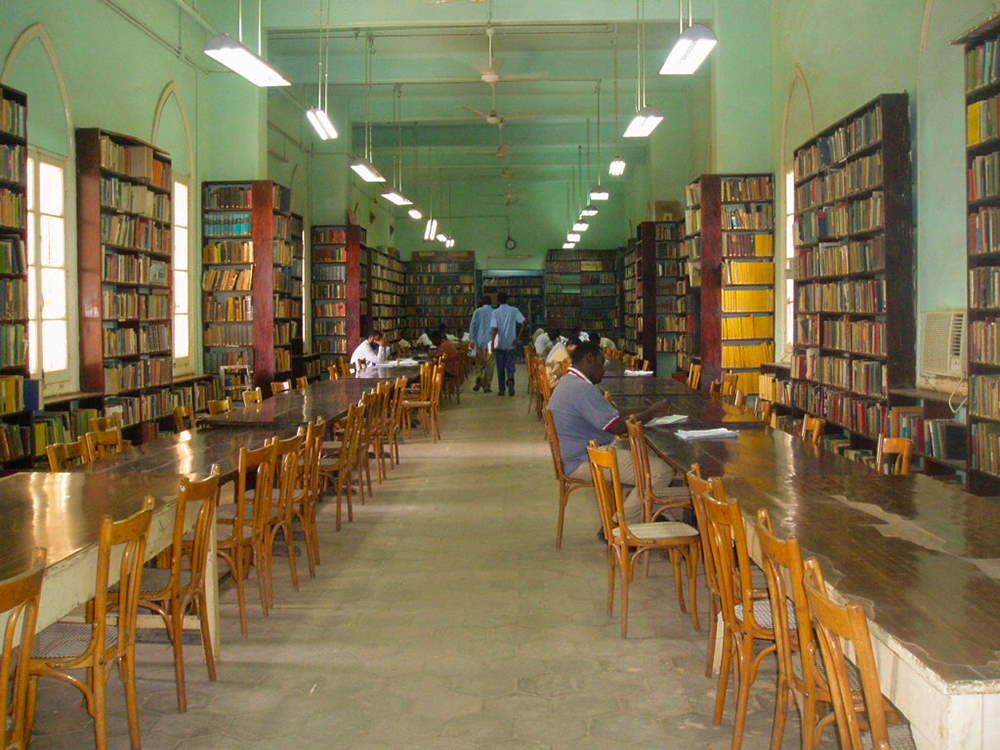
Historically, libraries in Sudan played an essential role in nurturing literacy, education, and the preservation of cultural heritage. In Darfur, prior to the outbreak of violence, libraries were established as part of broader national initiatives to promote knowledge and learning. Unfortunately, the violence and widespread displacement that ensued led to the deterioration—and in some cases, the complete collapse—of these institutions. Beyond the immediate physical destruction, the conflict disrupted the flow of information and severed community ties, making the recovery of public libraries both a symbolic and practical necessity.
The Role of Public Libraries in a Post-Conflict Society
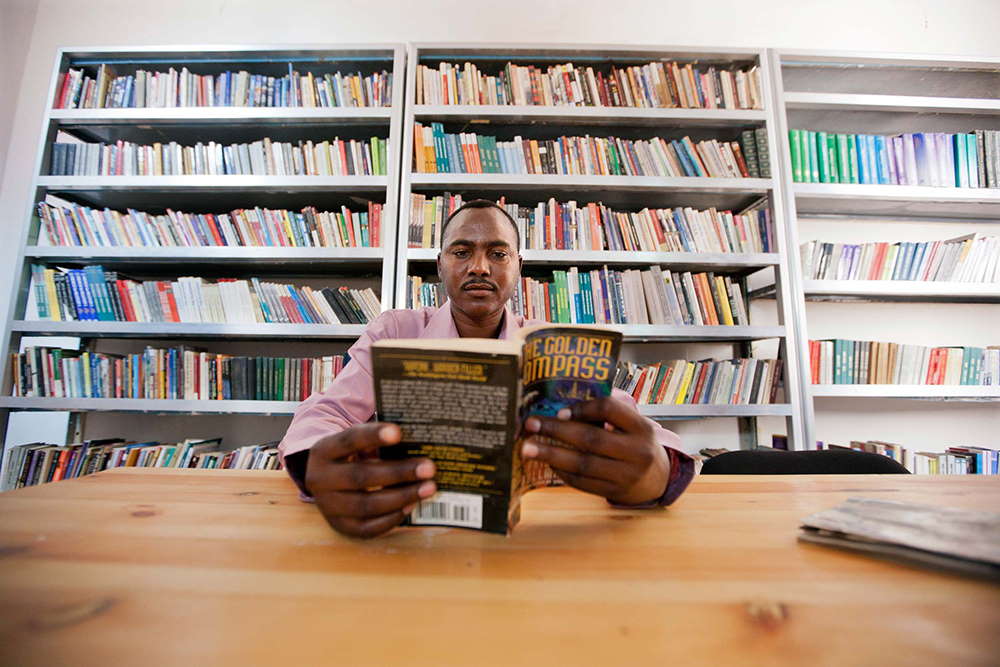
In post-conflict scenarios, public libraries assume roles that extend far beyond lending books. They become community centers where access to accurate information can help combat extremist narratives and deepen the public’s understanding of peace and reconciliation. For instance, initiatives such as the Library of Peace project—developed through cooperation among UN agencies, local government bodies, and civil society—demonstrate how libraries can contribute to restoring social trust and offering educational opportunities amid instability. These institutions offer safe spaces for dialogue and serve as sites for cultural healing, encouraging local participation in rebuilding a common civic identity.
Challenges Facing Public Libraries in Darfur
Despite these promising steps, public libraries in Darfur continue to face significant obstacles:
- Infrastructure and Funding: Years of neglect combined with the destruction wrought by conflict have left many libraries in dire need of repair and reinvestment. Securing sustainable funding remains a perennial challenge.
- Human Resource Constraints: The scarcity of trained librarians and support staff limits the potential of these libraries to offer advanced services in research, technology, and community outreach.
- Access and Inclusivity: With a large portion of the population residing in rural areas, physical access, coupled with limited digital infrastructure, hinders the far-reaching benefits that such institutions can offer.
- Cultural and Social Barriers: Rebuilding trust within communities that have been deeply scarred by violence is an ongoing process. Libraries must therefore balance being repositories of knowledge with playing the delicate role of cultural mediators.
The Future of Libraries in Darfur
Looking forward, the revitalization of public libraries in Darfur offers a unique opportunity for both cultural restoration and educational advancement. Recommendations for future development include:
- International and Local Partnerships: Collaborative efforts involving government bodies, international organizations, and local communities can create a robust support network for rebuilding library infrastructure.
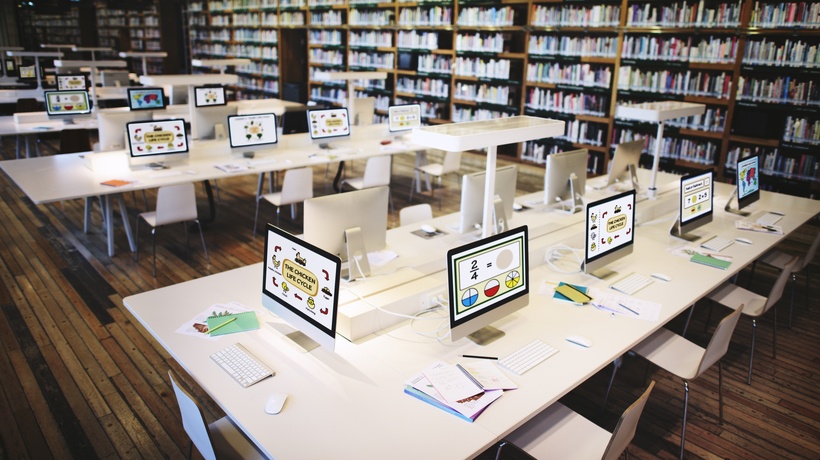
- Digital Inclusion: Integrating digital resources and internet connectivity can help bridge the gap for rural populations and enhance the overall impact of these institutions.
- Cultural Preservation Programs: Libraries can serve as custodians of local heritage by curating collections focused on regional history, languages, and traditions, thus fostering a renewed sense of identity.
- Community-Driven Initiatives: Encouraging community participation in library programming helps ensure these spaces remain responsive to local needs, promoting literacy, dialogue, and long-term social cohesion.
With continued commitment, public libraries in Darfur can become the epicenter of a broader educational and cultural renaissance—ensuring that the scars of conflict give way to vibrant centers of learning and community resilience.
Physical libraries are hubs of learning, and we’re here to help you make the most of them.
Digital Library
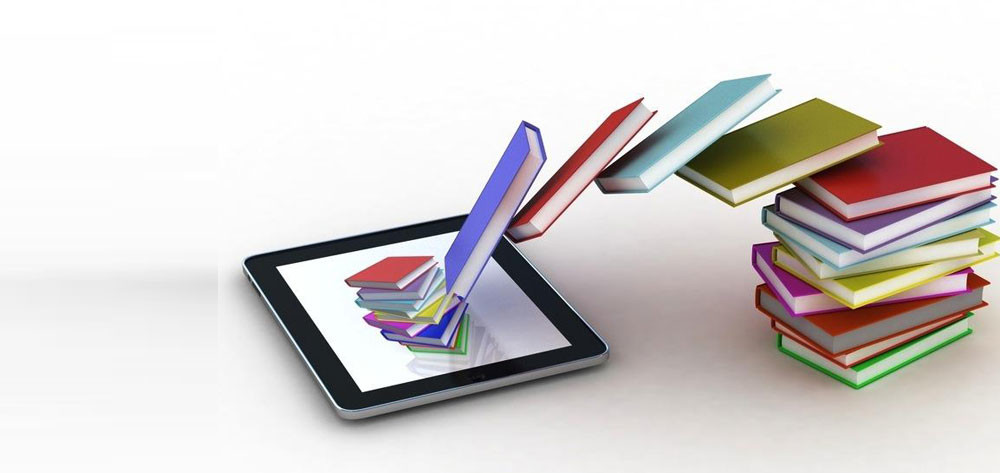
Can’t reach a library? Our digital library brings learning right to you, online or offline:
- E-Books and Audiobooks
Explore a growing collection of free resources in local languages (Arabic, Fur, Zaghawa) and English:- Kids’ Stories: Fun tales to spark young imaginations.
- Learning Basics: Books on reading, math, and science for all ages.
- Life Skills: Guides on farming, health, and more for adults.
Download them to your phone or shared device—no internet needed after that!
- Educational Videos
Watch and learn with short, downloadable videos:- Reading Made Easy: Simple lessons to improve literacy.
- Numbers and More: Math basics for kids and teens.
- Darfur’s World: Videos on our history, culture, and nature.
Save them to watch anytime, anywhere—even in areas with no signal.
- Resource Organization
Finding what you need is simple:- By Age: Pick from Kids (0-12), Teens (13-18), or Adults (19+).
- By Topic: Choose Reading, Math, Life Skills, or Culture.
- Offline Tips: See our How to Download (#) guide to keep learning without internet.
Our digital library is built for Darfur—free, flexible, and ready for you to use wherever you are.
Why Libraries Matter
In Darfur, literacy opens doors—to education, jobs, and a stronger community. Whether you visit a local library or use our digital collection, you’re taking a step toward lifelong learning. We’re here to support that journey, one page or video at a time.
Got library ideas or resources to share? Contact Us (#) or join our efforts!