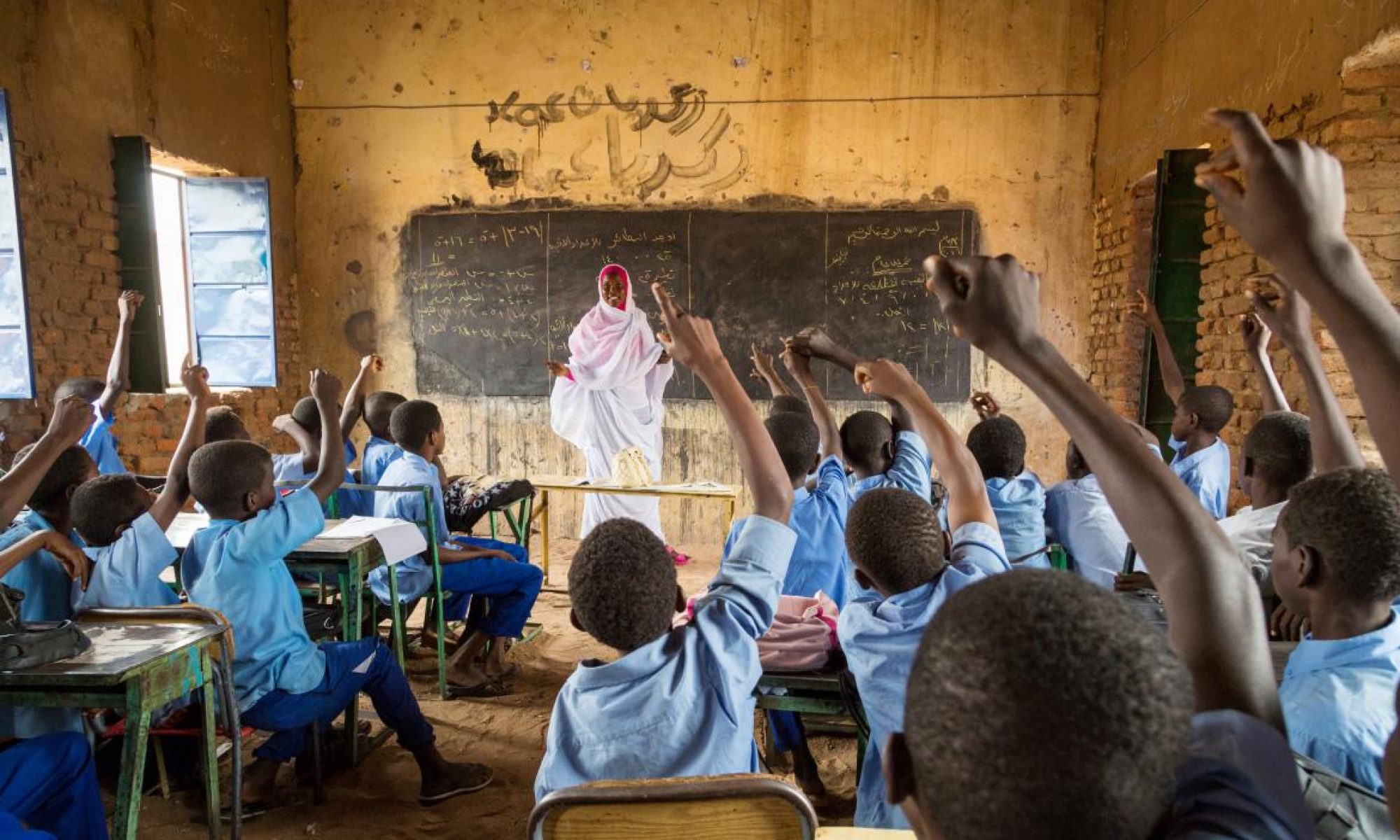

Welcome to the High School Curriculum page! Here, you’ll find valuable information about the high school curriculum in Sudan, including the subjects offered, the structure of the education system, and key details to help students and parents navigate the educational journey.
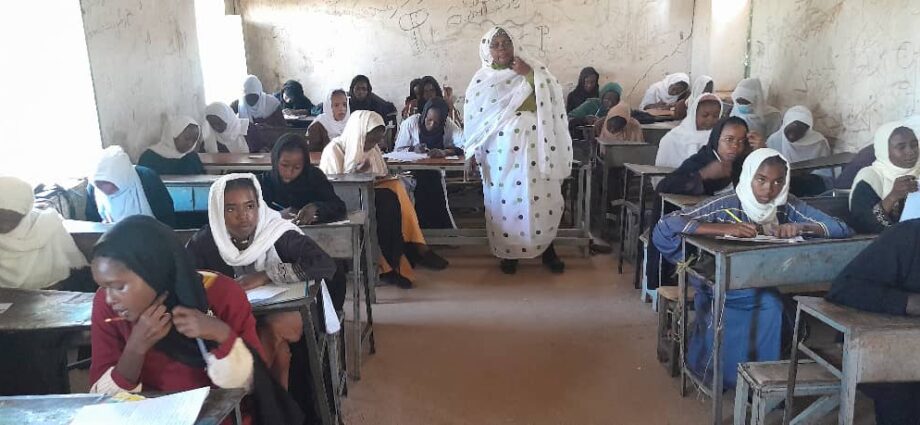
Overview of the Education System in Sudan
The education system in Sudan is structured into several levels, including primary, secondary, and higher education. Secondary education, commonly referred to as high school, plays a crucial role in preparing students for higher education and future careers.
Structure of Secondary Education
- Duration: Secondary education in Sudan typically lasts for three years.
- Age Group: It caters to students aged 14 to 17 years.
- Language of Instruction: The primary language of instruction is Arabic, with English being taught as a second language.
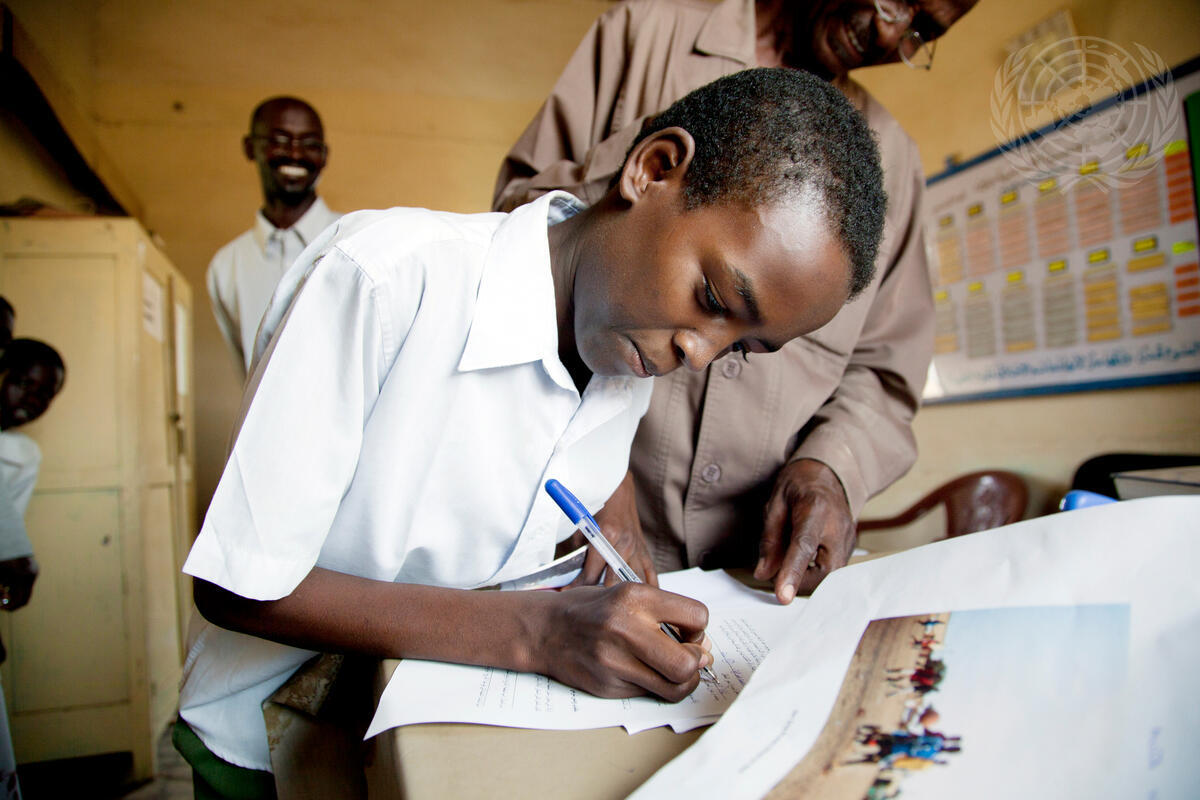
High School Curriculum
The high school curriculum in Sudan is designed to provide students with a comprehensive education that equips them with the knowledge and skills needed for higher education and the workforce. The curriculum includes a range of subjects across various disciplines.
Core Subjects:
| Arabic Language | Focuses on reading, writing, grammar, and literature. |
| English Language | Emphasizes language proficiency, including reading, writing, speaking, and listening skills. |
| Mathematics | Covers topics such as algebra, geometry, trigonometry, and calculus. |
| Science | Includes subjects like physics, chemistry, and biology, with a focus on theoretical and practical knowledge. |
| Social Studies | Encompasses history, geography, and civics, providing students with an understanding of their country and the world. |
| Religious Education | Offers instruction in Islamic studies, including the Quran, Hadith, and Islamic history. |
Elective Subjects:
Students may also have the option to choose elective subjects based on their interests and career goals. These may include:
| Computer Science | Introduction to programming, software applications, and information technology. |
| Economics | Basic principles of economics, including microeconomics and macroeconomics. |
| Business Studies | Fundamentals of business management, marketing, and entrepreneurship. |
| Arts and Humanities | Subjects such as fine arts, music, and literature. |
Assessment and Examinations
- Continuous Assessment: Students are assessed through regular assignments, quizzes, and projects.
- Final Examinations: At the end of each academic year, students take final examinations to evaluate their understanding of the subjects.
- National Examinations: At the end of the secondary education cycle, students take national examinations, which determine their eligibility for higher education.
Key Points to Note
- Inclusivity and Equity: The Sudanese education system emphasizes inclusivity and equity, aiming to bridge gaps in access to education among urban and rural areas.
- Curriculum Development: Ongoing efforts are being made to align Sudan’s education system with international standards while addressing local needs.
- Challenges: Despite efforts to enhance access and quality, challenges such as inadequate infrastructure, a shortage of trained teachers, and limited resources persist.